If You moved in and have no idea how many house keys exist.
Then A patented cylinder in each exterior door, on one key.
Old keys stop working and new ones cannot be copied without you.
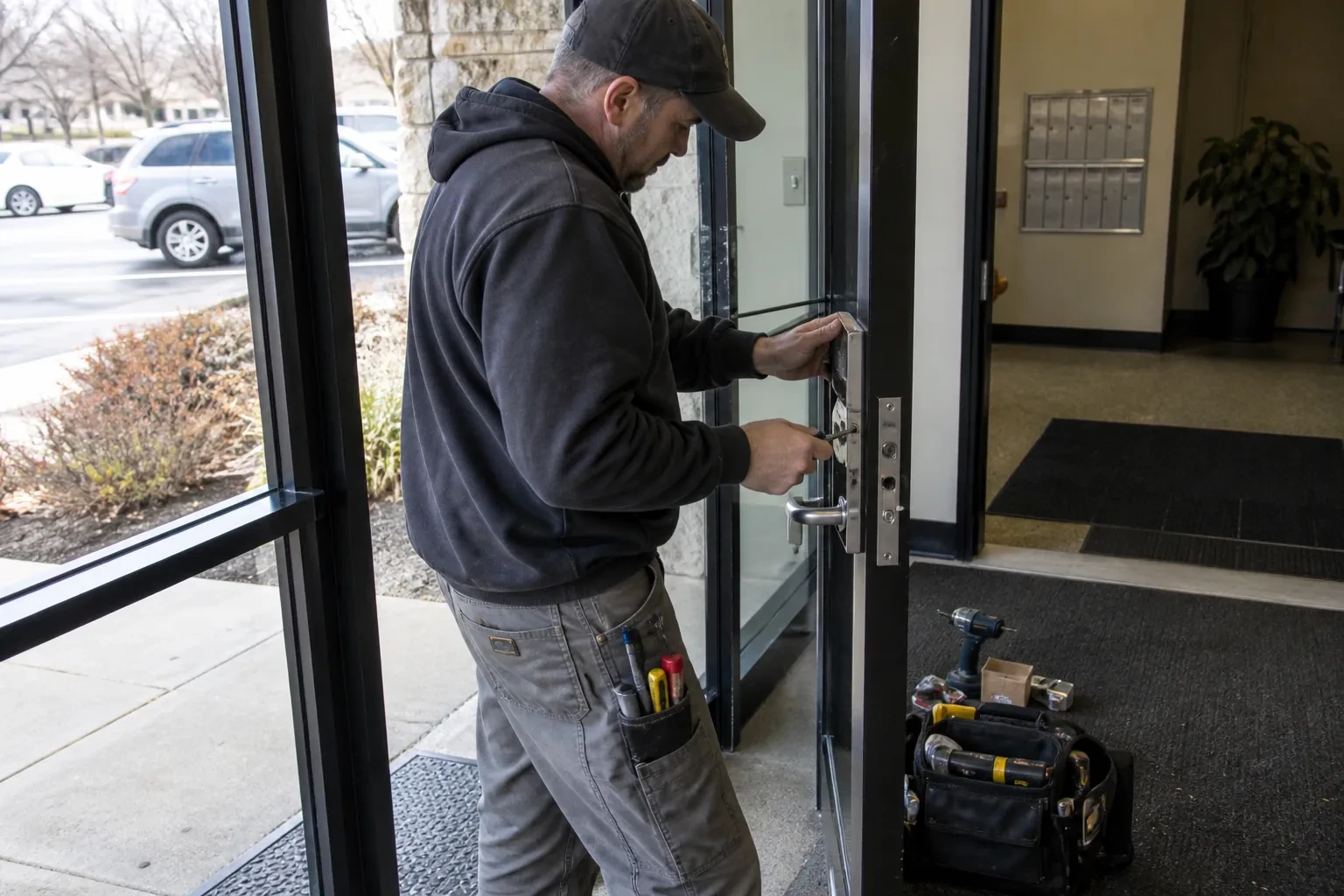
An inherited safe with no combination, a dial that has drifted, a keypad that stopped responding: each has a proper way in that preserves the box. We open, service and reset safes for homes and small businesses in Westmount, and explain how to keep the mechanism turning for the next owner.
Same fees day or night · Westmount
Pick the closest, or call (226) 806-0434
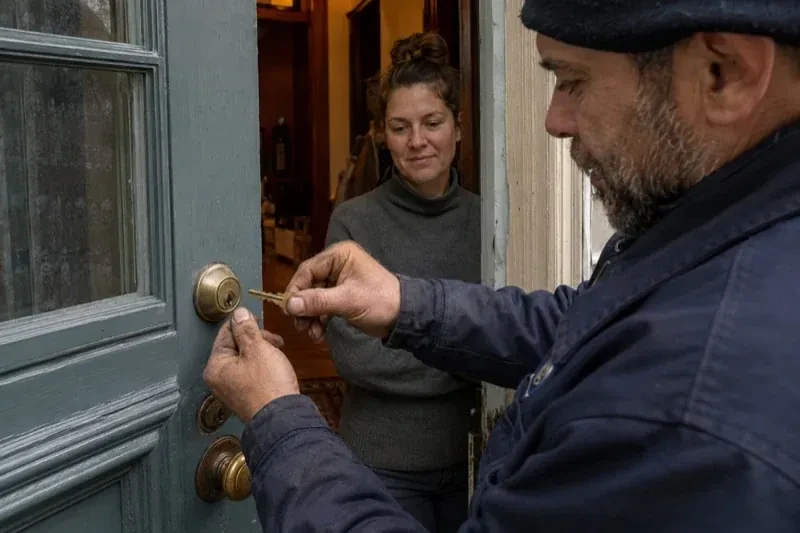 Lockout ServicesLocked out of a home or business, a key snapped in the lock or a lock that has seized: entry with the least damage…
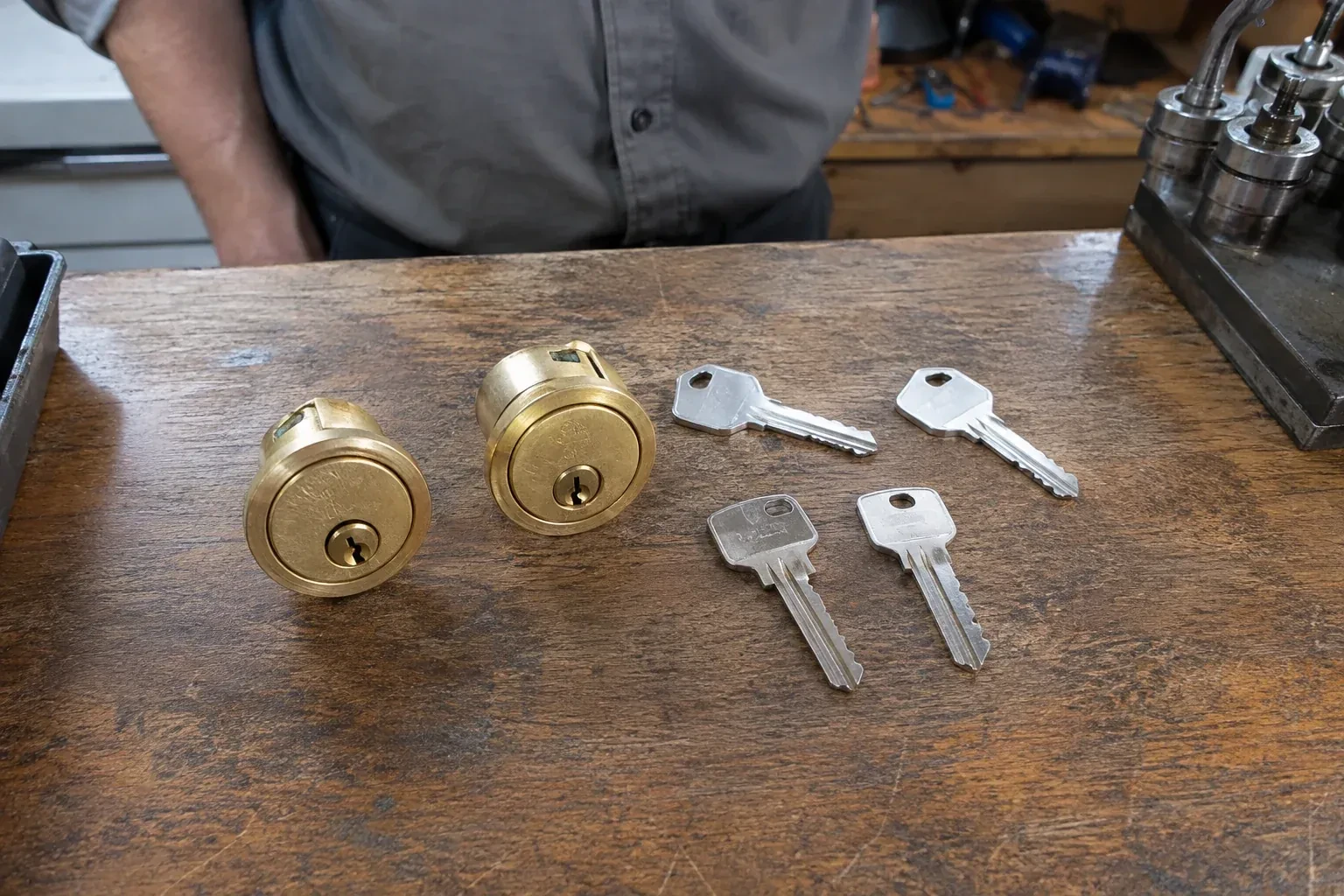 Change or Rekey LocksNew keys for the locks you have, or new locks where the hardware has worn out: rekeying, replacement, deadbolts, smart…
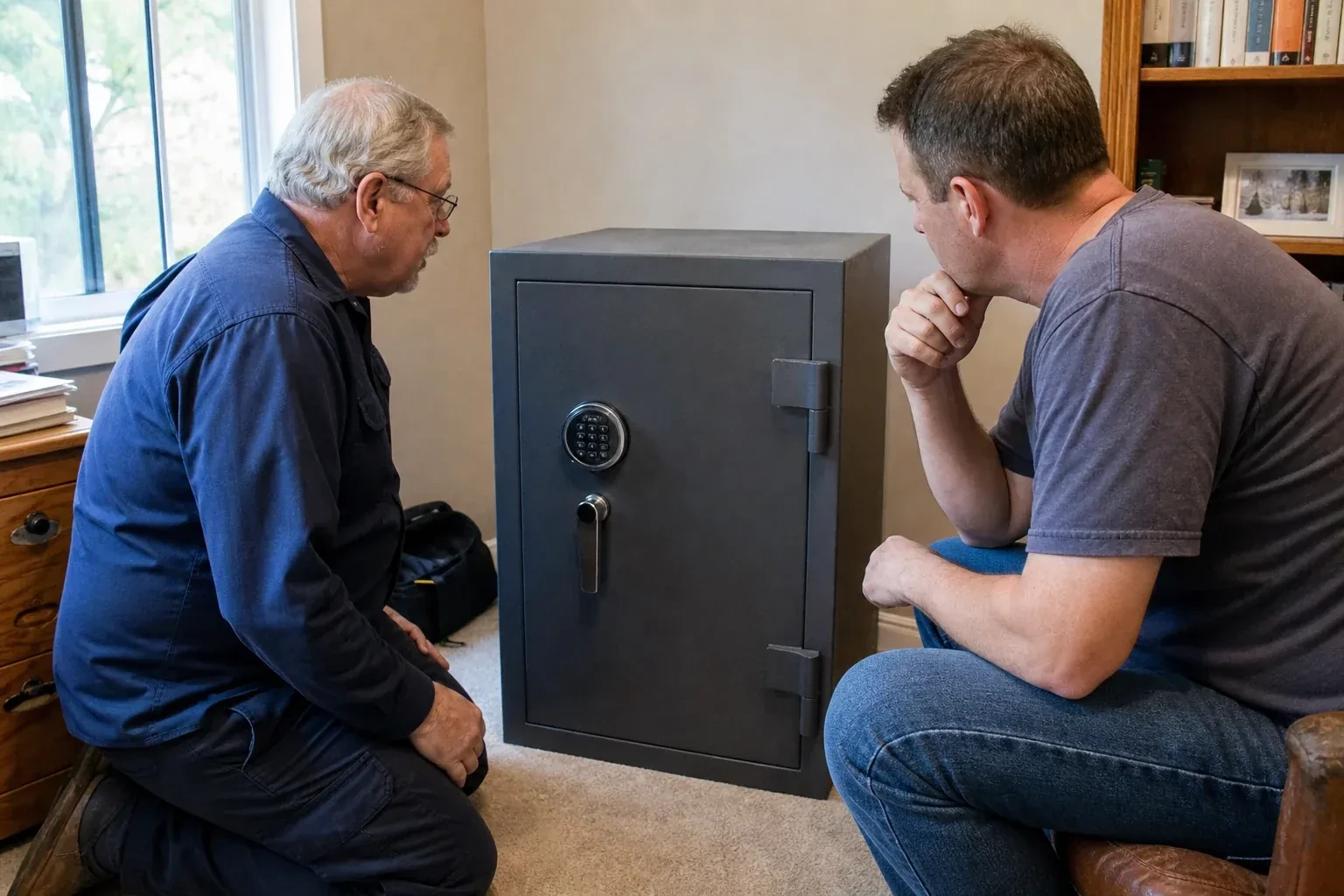 High Security LocksCylinders and deadbolts built to resist picking, bumping and drilling, keys that cannot be copied without…
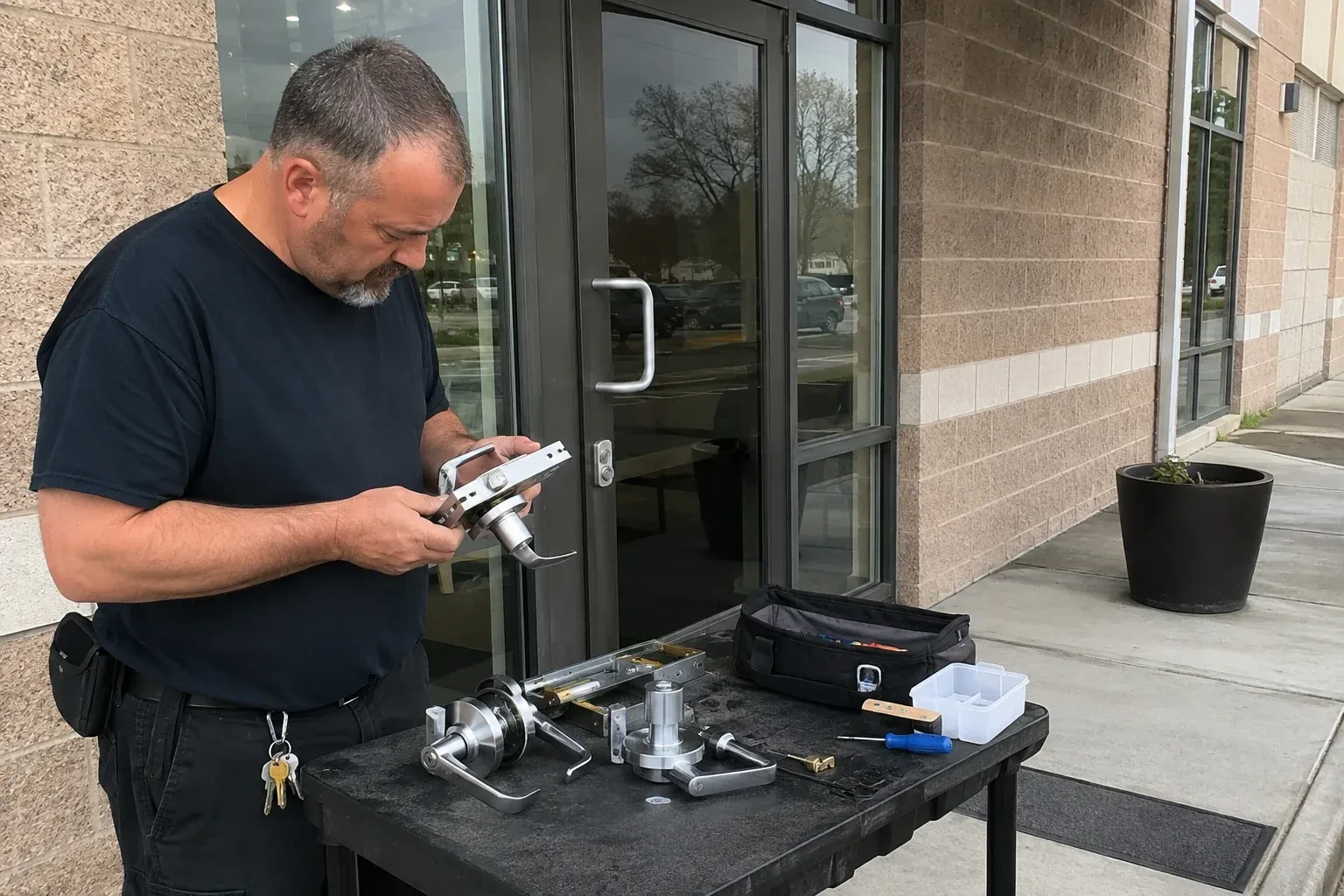 Commercial LocksLocks for shops, offices and buildings: rekeying at turnover, commercial-grade hardware, exit devices, master key…
One locksmith handles your job in Westmount from the first call to the last turn of the key. He is the person who answered, the person who arrives in a marked van, and the person who walks you through the new hardware before leaving. No handoffs, no call centre, no explaining the door twice. If a question comes up a week later, you speak to the same man.
Nearby Waterloo, Lakeshore Village, Beechwood, Maple Hills and Rummelhardt
A locksmith you would recommend to a neighbour.
33 years in business · Talk to us about access for your staff: (226) 806-0434
Westmount
Whether you own a home in Westmount, run a shop or manage a few rental units, the lock services here are organised the way people actually ask for them. Start with the problem you have today, and read on to see what else on the door might deserve a look while a locksmith is already there.
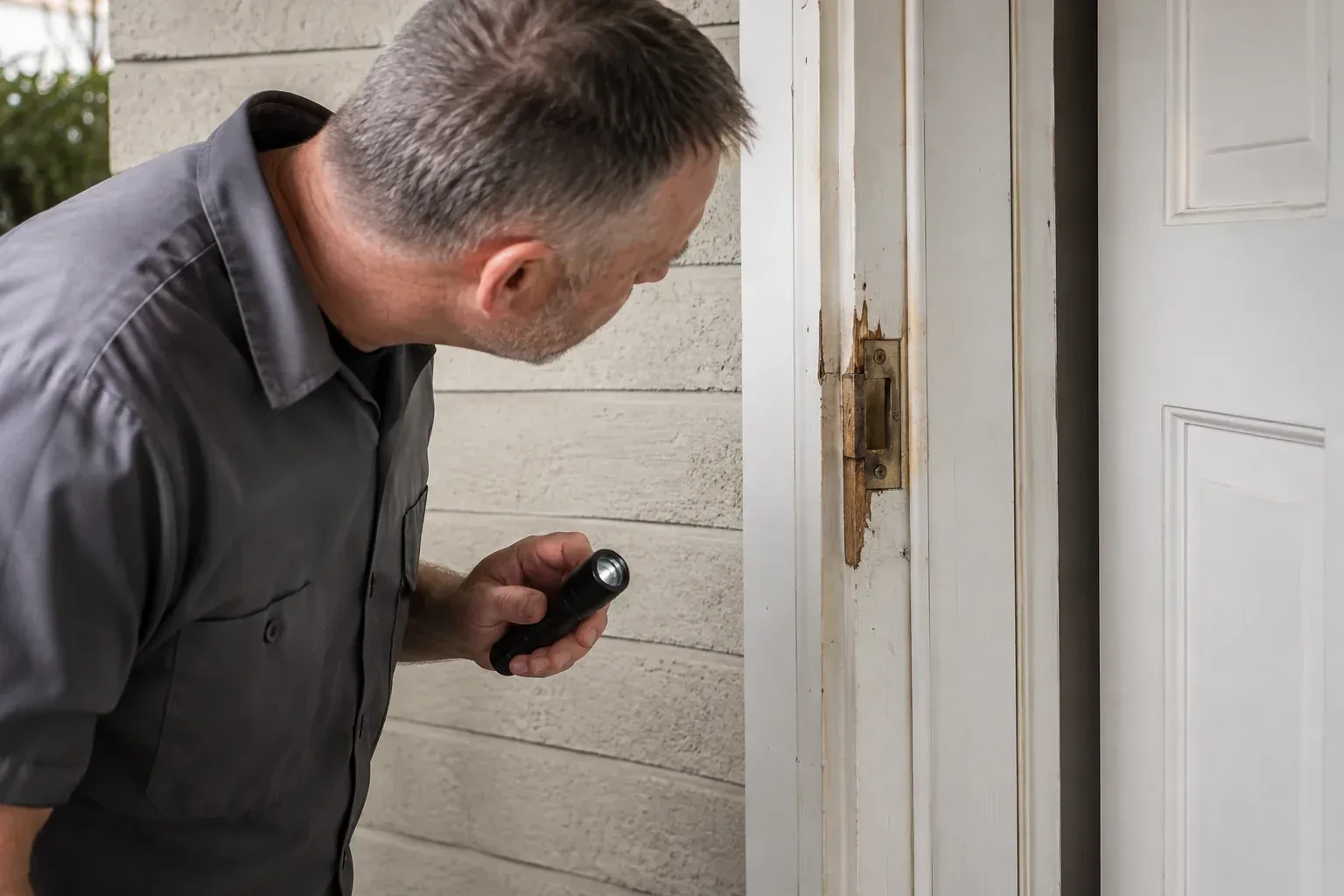
Master Key System Design, Car Lockout Service, Break-In Damage Lock Repair, Motorcycle & Scooter Keys, Spare…
Tap a situation. The answer opens here.
If You moved in and have no idea how many house keys exist.
Then A patented cylinder in each exterior door, on one key.
Old keys stop working and new ones cannot be copied without you.
If A neighbour's door was kicked in and yours has the same thin strike.
Then A reinforced strike with long screws into the framing.
The bolt then ties into the studs, which is where kicked doors fail.
If The stockroom has the same cylinder as the staff washroom.
Then A rated cylinder and a controlled key for that door.
One numbered key, issued against a signature, in a cylinder that resists picks and drills.
WaterlooOntario
Every square is one home in a hundred.
Yes, in a good way. A suite door that opens onto a corridor is meant to close and latch on its own every time, so the repair uses hardware suited to a labelled fire door, keeps the self-closing device adjusted and operating, and adds no holes or plates the label does not allow. The building's manager is normally involved, and the locksmith works with the door's rating rather than around it.
The lock warns you well before that point, with a light or tone at the keypad and, on connected models, a message to your phone. If the warnings are missed, a keyed model's mechanical override still opens the door, while a key-free model instead has two small contacts on the outside where a nine-volt battery gives it enough power to accept a code. The locksmith shows you each route your model offers and where the spare batteries and the key should live.
Choosing corrosion-resistant fasteners and a cylinder rated for weather exposure at the outset avoids most of the problem, since plain steel fittings near a driveway or walkway take the brunt of de-icing salt over a winter. For hardware that already shows early corrosion, cleaning and a dry lubricant can extend its working life, while pitted or seized parts are better replaced than fought with season after season. A rinse of the hardware after a heavy salt application is a simple habit that helps as well.
Most electronic locks give a low-battery warning, usually a beep or flashing light, well before they actually stop working, and replacing the battery within that same week is the safer habit rather than waiting. Depending on how often the safe is opened, a battery commonly lasts somewhere between one and several years, and keeping a spare of the correct type near the safe avoids a search once the warning starts.
On-site assessment preferred · (226) 806-0434, open 24/7