Sound familiar?Rummelhardt
- The call
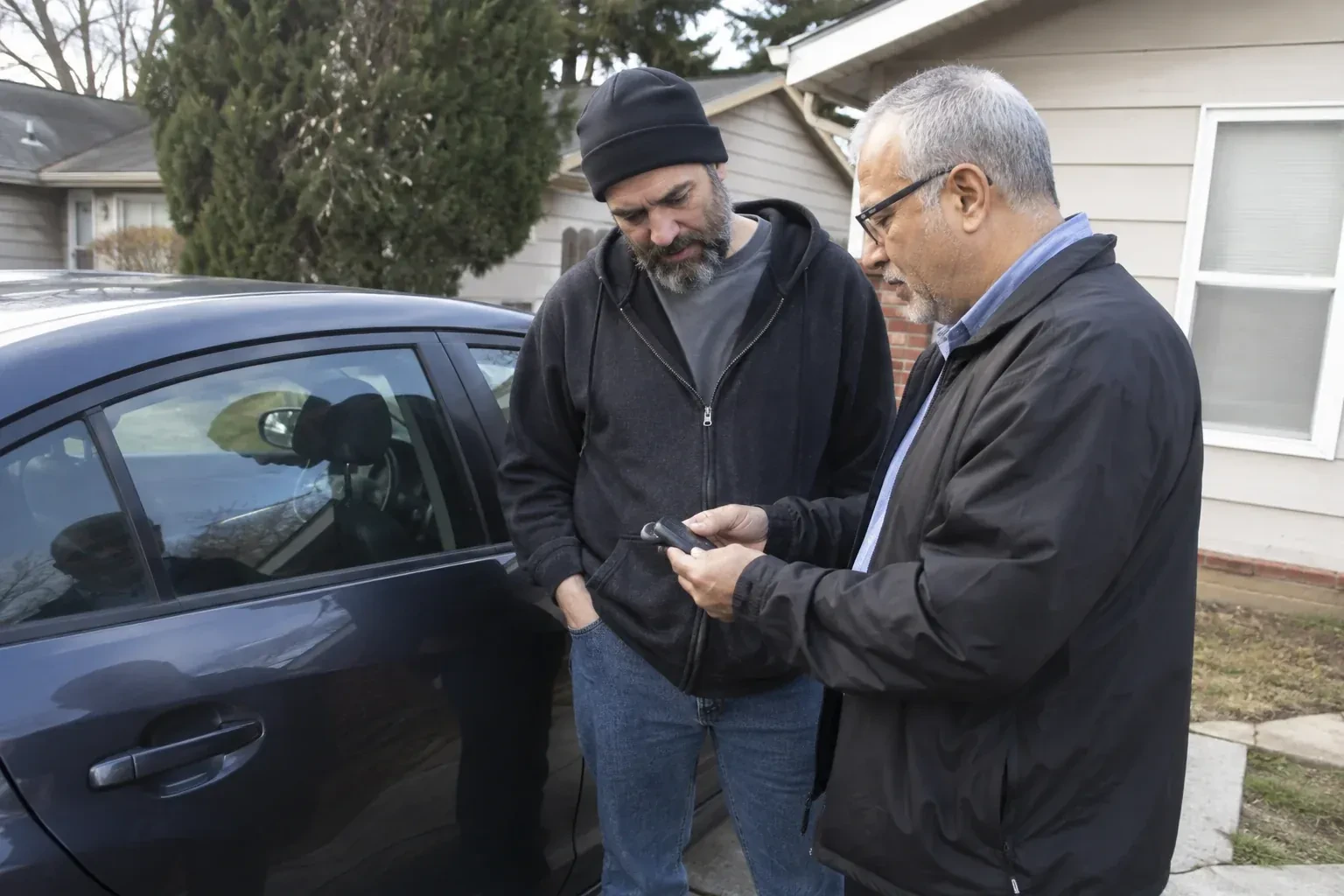
- After a winter under a cover, the steering lock will not budge. The key seats fully in the barrel, but turning it meets a wall of resistance that no amount of wiggling moves past.
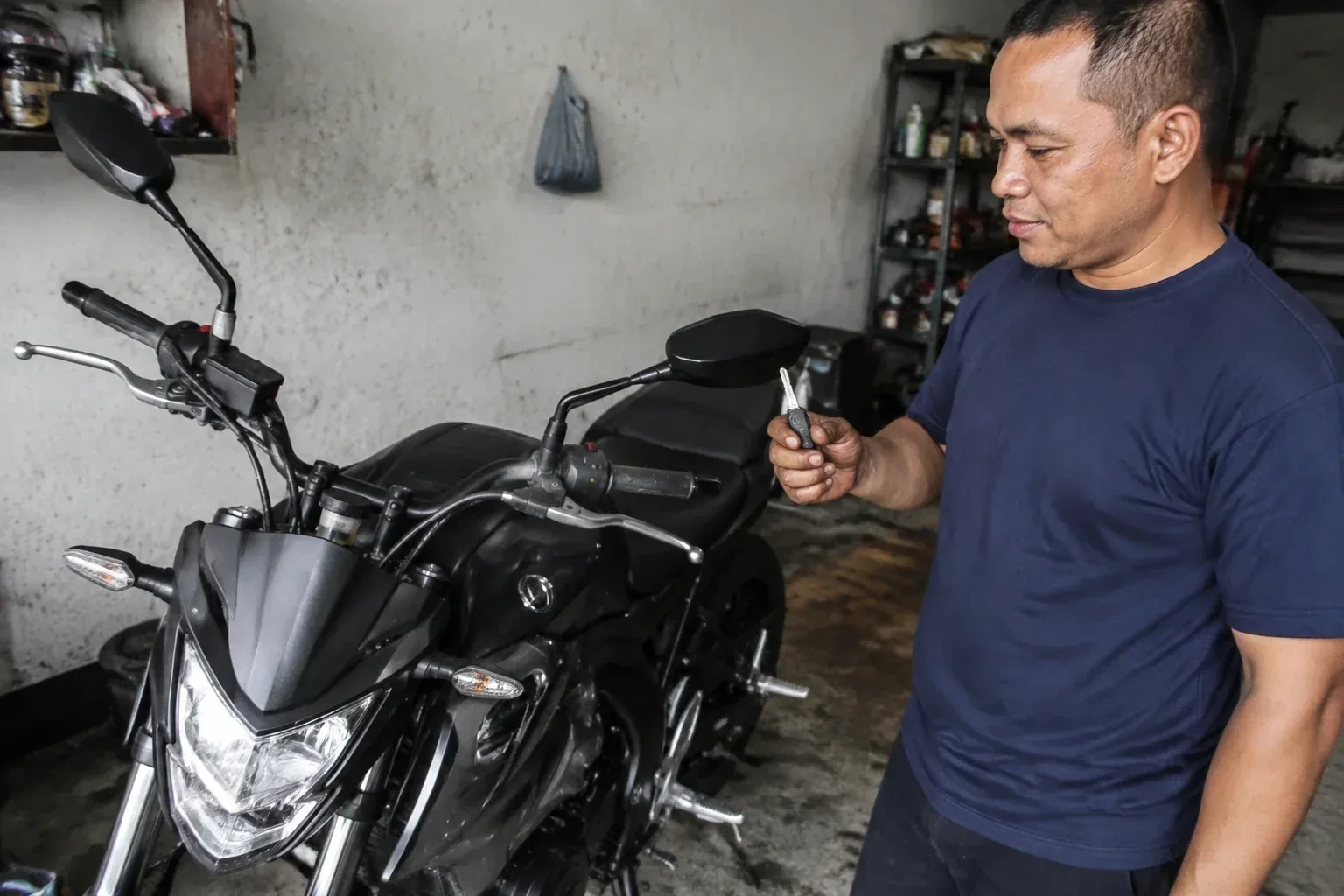
The dash lights come on, the starter cranks, and the engine simply refuses to catch, though the same key has run this bike since it was new. It could be the key and ignition module no longer agreeing, or an ordinary fuel or ignition fault sharing the same…
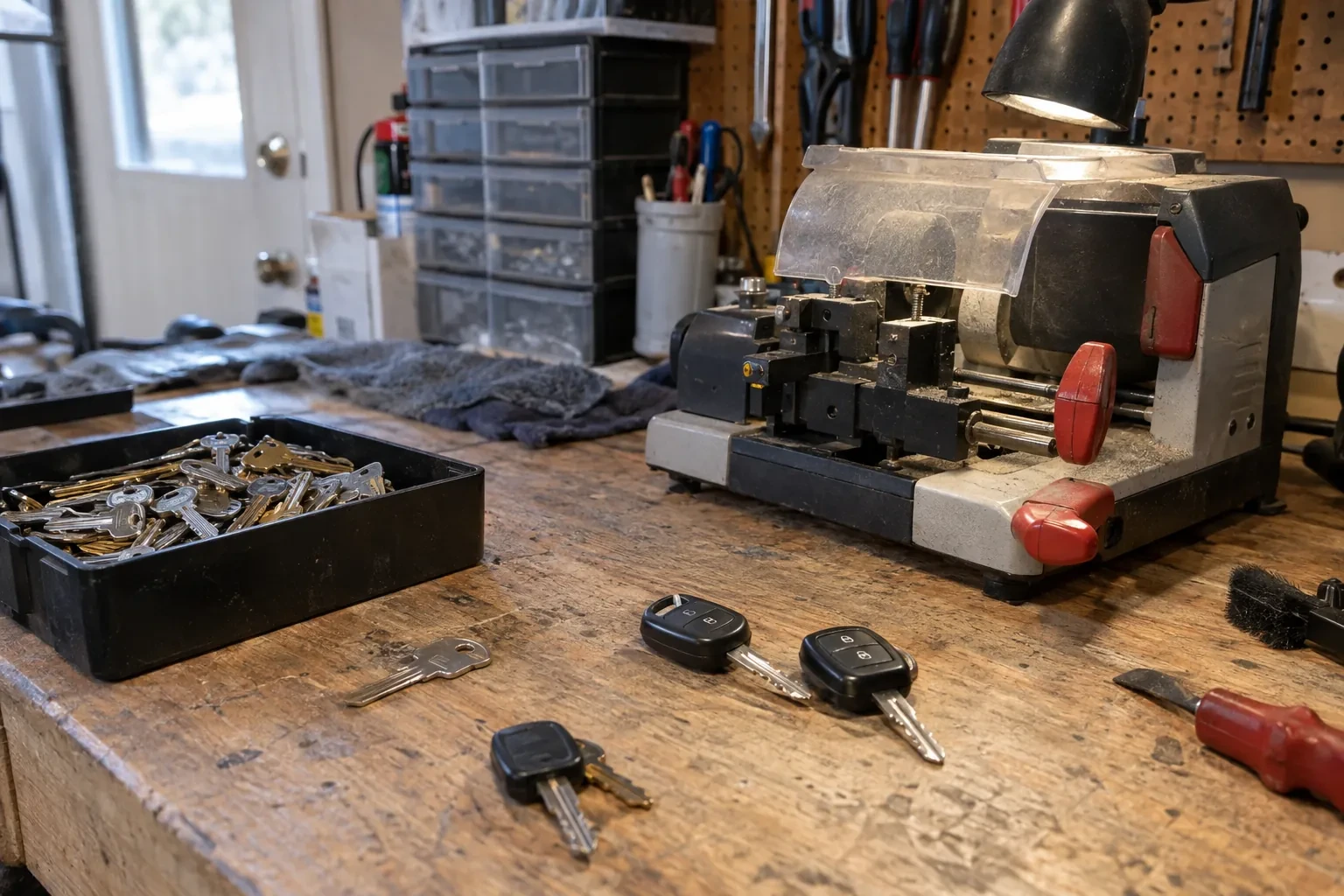
The visit follows a steady order regardless of what caused the missing key. Details taken over the phone, such as make, model and which locks are affected, decide what equipment comes along. At the machine, ownership is confirmed and the lock or locks are read to understand the keyway and any electronics involved. A key is then cut, decoded or programmed to match, tested on every lock on the bike including a full engine start, and handed over along with a note of what was done.
Sound familiar?Rummelhardt
Motorcycle & Scooter Keys · Rummelhardt
Scene 1
The next question is about the key itself rather than the lock. A key lost somewhere away from the machine is a different situation from one still at home but broken, and a key that has simply worn thin over years of use is different again from a copy that never cut cleanly in the first place. Each answer changes the approach: a broken or worn key can often be read directly, a lost key means working from the lock alone, and a poor duplicate is more reliably replaced from a proper code than copied again.
Scene 2
Every finished key is tested on the actual machine before the visit ends, not just checked against a code on paper. That means turning the steering lock through its full range, opening the seat and fuel cap if they are on the same key, and starting the engine to confirm any transponder is recognised. Only once all of that behaves consistently, more than once, does the locksmith consider the key set complete. Any code or reference used to cut the key is left with the owner or noted for their records, so a future spare does not have to start from nothing.
Scene 3
A key that has begun needing a small wiggle or a lift to turn, on a lock that used to accept it cleanly, is an early sign worth acting on before it becomes a lock that will not turn at all. The same goes for a steering lock that has started to feel stiffer than it used to, or a seat latch that catches before it releases. Addressing any of these while the key still works, rather than after it stops working altogether, is usually the calmer of the two visits.
What shapes the quoteWestmount Locksmith Co.
FeesSame any hour
On many serviceable, compatible systems, yes. Each lock is opened and its internal wafers are replaced with a set cut to match the ignition's combination, the same principle used to rekey a house lock applied to smaller hardware. Every lock is tested individually afterward so the finished key is confirmed against each one rather than assumed to work. Locks that were never on the same key from the factory can usually be brought together this way during one visit.
The make, model and year if known, the VIN if it is accessible, which locks are involved, and whether the engine cranks but does not start, which can point toward an immobiliser issue among other ordinary starting-system causes. Mentioning whether any key at all still exists, even a broken or poorly cutting one, changes what equipment comes along, since working from a key is a different job than decoding a lock with nothing to reference.
No. When every key for the machine is gone, the locksmith reads the lock directly, working out each wafer's depth by picking and reading the cylinder or using a decoder built for that keyway, and cuts a fresh key to the code that comes out of that reading. It takes longer than copying an existing key, since every wafer is read individually, but it produces a key that matches the lock rather than a guess.
WaterlooOntario
Motorcycle & Scooter Keys · Waterloo, Lakeshore Village, Westmount, Beechwood, Maple Hills
Every square is one home in a hundred.
On-site assessment
The dash lights come on, the starter cranks, and the engine simply refuses to catch, though the same key has run this bike since it was new.
(226) 806-0434, open 24/7.
On-site assessment preferred · (226) 806-0434, open 24/7